
The Problem
The Trust Gap in Global Trade
Trust is the Missing Infrastructure in Online Transactions
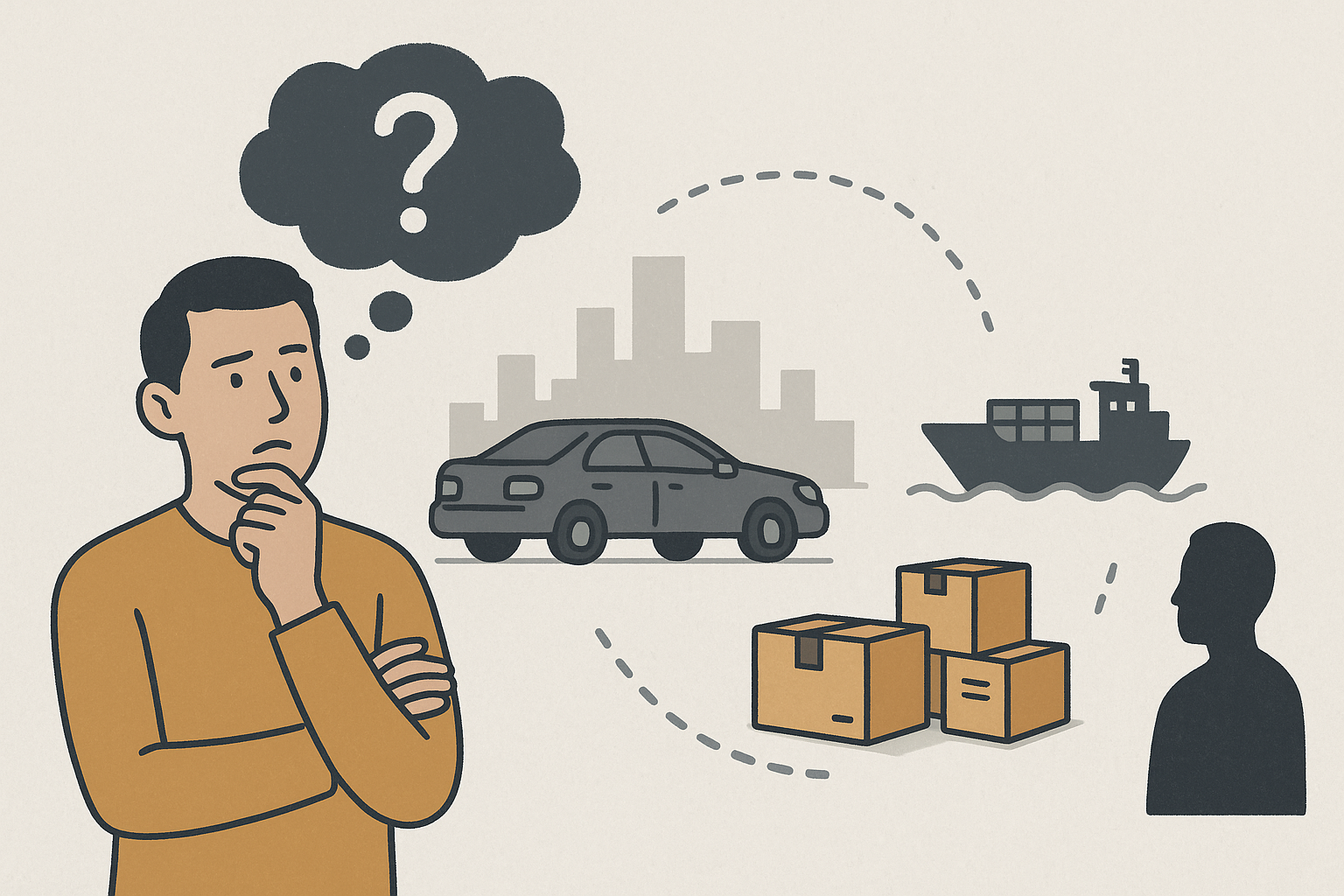
Whether you're selling your car to someone in another city, or running a small business exporting goods abroad, the challenge is the same: you don't know who to trust. That uncertainty kills transactions, limits growth, and locks out entire groups of people from participating fully in the global economy.
Legacy Trade Instruments Are Outdated and Exclusionary
Legacy solutions like Letters of Credit were designed to solve this — but only for the top of the market. They're expensive, complex, and require institutional backing. If you're not a multinational with a legal team and credit lines, you're simply not invited.
Quantifying the Trust Gap: Lost Value in C2C and SME Trade
Economic Exclusion for SMEs and Informal Markets
SMEs account for 90% of businesses and over 50% of employment worldwide — yet they remain the most underserved when it comes to safe, scalable trade infrastructure. The people and businesses most impacted are often in emerging markets, informal economies, and diaspora trade networks — communities long excluded from legacy financial infrastructure.
This Isn't a Niche Problem — It's a Global Opportunity
The segment with the most to gain from digital global trade is the one least able to access it. This isn't just a product gap. It's a systemic failure — and a missed opportunity for economic inclusion at scale.
3-Shepherd is building what no one else is: A digital trust layer for the internet — one that finally enables safe, seamless transactions between everyday people and small businesses, anywhere in the world.
Because no one should have to risk everything just to make a deal. And no economy can grow if its largest contributors are locked out of the system.